


Healthy Voices
Every day we follow regular hygiene routines to keep our bodies safe and clean like brushing our teeth, having a shower or washing our hands. These are all forms of regular hygiene most adults practice and try to instill in their children. So why wouldn’t we do the same for our voice? Vocal hygiene is the practice of keeping your voice healthy. Individuals must be aware of how his or her voice is being used in day-to-day activities and how the behaviors and habits he or she partakes in may influence their voice.
Harmful vocal behaviors to watch out for:
- Throat clearing and/or coughing (may be secondary to allergies, illness, etc.)
- Excessive crying or tantrums
- Speaking loudly or yelling frequently
- Excessive talking
- Singing for long periods of time
- Making sound effects
Less Apparent Factors that may contribute to decreased vocal quality:
- Hearing loss
- Medications
- Chronic asthma and/or allergies
- Gastric reflux
- Dehydration of the vocal folds (can be from caffeine intake or not enough water)
Vocal Hygiene Strategies
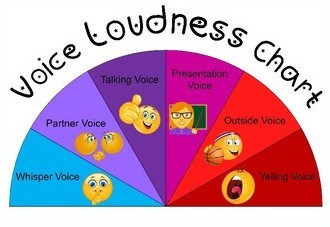
Appropriate Volume: Encourage appropriate vocal loudness (e.g., "Use your 'inside' voice, please.") Remind your child to use an 'inside' voice when he or she is talking.
Hydration: Encourage your child to drink water throughout the day. Good hydration helps lubricate the vocal folds so that they can function better.
Model: Provide a good voice model by using an appropriate voice volume, avoiding clearing your throat, and drinking lots of water throughout the day.
Decrease Harmful Vocal Behaviours:
- Encourage your child to avoid yelling, screaming or shouting. Suggest alternate means of 'cheering' during sporting events such as using a whistle or noise maker rather than shouting.
- Remind your child not to make unconventional sounds with his or her voice such as animal noises, whispers, squeaks or growls.
- Encourage your child to avoid talking loudly over distances. If someone is a distance away (e.g., across the room) have him or her go up to the person to speak, rather than raising his or her voice.
- Ensure your child is not coughing or throat-clearing excessively. Encourage your child to swallow slowly or hum and drink water instead.
Rest: Help remind your child to have 'rest' periods during the day when he or she doesn't talk. This will help to ensure your child is not overusing his or her voice.
Helpful Books
- Decibella and Her 6-Inch Voice by Julia Cook
- Mr. Noisy by Roger Hargreaves
- Mr. Quiet by Roger Hargreaves
- The Dinosaur Who Lost Her Voice by Julie Ballard
- Too Loud Lily by Sofie Laguna
- Voices Are Not for Yelling by Elizabeth Verdick